Honestly, the answer is yes! (with some caveats… for now)
There are already some great AI tools available that can
- draft,
- summarise,
- advise on, and
- mark-up contracts.
They’re not cheap, yet, but they will get there, and they’re quick and easy to use. But how do you know that the product is any good? What if there are gaps or weaknesses? Do you really know what to ask AI for or how to spot a mistake, gap, hallucination, etc?
The problem is that if something isn’t right, you have absolutely no come back. Because however good they are, or become, AI tools can’t be relied on.
So, what’s the point of using them?
Maybe the best way to think about AI (with everything and not just your legals) is as a useful starting point. It can save you time and effort by handling low-risk, repetitive tasks or creating first drafts, which you can then refine. But you can’t stop there. You still need to know what you’re using these tools for, understand their limitations, and decide where human expertise is essential.
When you’re a start-up budgets are tight and the appetite for risk is (needs to be) high.
As your business grows up, however, your approach to risk needs to as well. Which means key contracts need to protect you. Because at the end of the day, they are an insurance policy. You really only need them if something goes wrong. And if something does go wrong you’ll almost certainly want to rely on them.
We’re not saying don’t use AI tools at all, just be aware of what you’re using them for and why. Do a risk assessment / cost benefit analysis of getting things checked by someone who knows what they’re doing and will stand behind their advice (i.e. with professional indemnity insurance!).
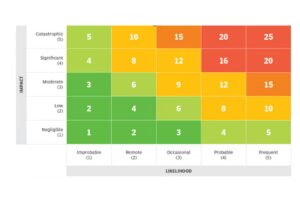
Consider the time and cost of sorting out a bad contract that doesn’t work or protect you the way you thought it would. Short term, low cost deals/ contracts will likely have a low impact. But key deals/ contracts will have a high impact. And if you’re fundraising or preparing for an exit, you’ll get a red flag in the due diligence report, which could slow the deal progress, impact price/value, or even kill it.
If you’re not convinced your contracts/ legal docs/ processes are doing what they should, please get in touch. We won’t over-lawyer or reinvent the wheel – we just want to help you to recognise risk and deal with it appropriately. You may also want to check out our previous blog – AI Adoption: compliance and ethics.